
Life Insurance for Business Owners in California: Complete Guide
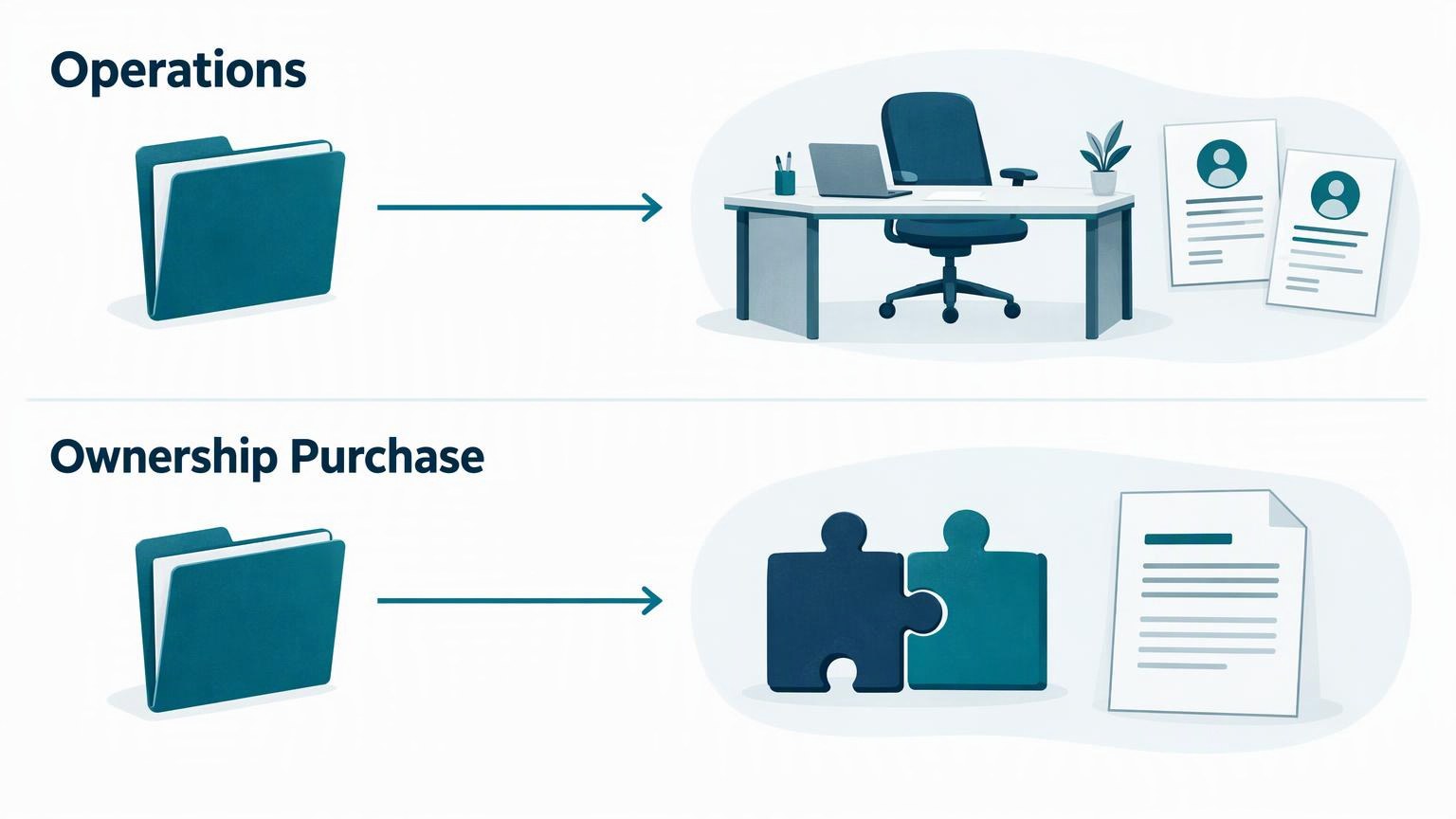
For California business owners, life insurance should follow the obligation: personal coverage protects your family, key-person coverage supports business operations, buy-sell funding finances an ownership purchase, and executive benefits support compensation goals. Separate these needs before choosing a policy, because ownership and beneficiaries determine who controls coverage and receives proceeds.
Your family can lose income at the same time your company loses a critical leader. Surviving owners may also need money to purchase your interest. Those are different financial demands, even when they arise from the same death. This guide explains how to assign coverage without counting the same proceeds toward every need.
Key Considerations
- Measure household obligations separately from operating-capital and ownership-purchase needs.
- A buy-sell policy supplies funding; the legal agreement establishes the ownership transfer.
- Employer-owned coverage can require written notice and consent before issuance plus ongoing tax reporting.
Which Needs Belong to Your Family and Which to Your Business?
Family coverage addresses lost household income, debts and future family expenses. Business coverage addresses losses or obligations borne by the company or surviving owners. Start with who must pay the bill, not who pays the insurance premium.
For your household, estimate income replacement and obligations, then account for existing personal coverage and available assets. For the business, evaluate operating disruption, debt exposure and ownership-purchase requirements separately. Do not assume your family can rely on a future business sale at the expected value.
Coverage duration is a second decision. Term insurance suits a defined protection period; permanent coverage may suit a lasting need when ongoing funding is sustainable. The California Department of Insurance's Life Insurance Guide explains that term covers a specified period, while cash-value coverage can involve surrender penalties and other policy costs. Rene's California life insurance page addresses personal protection options.
What Does Key-Person Insurance Protect?
Key-person life insurance protects the business against the financial impact of a critical person's death. The business typically owns the policy and receives the death benefit, which can support recruiting, training, operating expenses or a transition.
It suits a company whose revenue, customer relationships or specialized work depend heavily on one person. Assess what would stop, which expenses would continue and what replacing that person's contribution would require. This is operating-loss protection, not an automatic payment to the employee's family or a substitute for a buy-sell agreement.
Hypothetical Example: Preserve Working Capital During a Buyout
Suppose co-owners want the survivor to purchase a deceased owner's interest, but the company must also recruit a replacement leader without exhausting working capital. Their fixed constraint is keeping the business operating during the purchase. Using all available insurance proceeds for the buyout leaves the replacement need unfunded; reserving everything for operations leaves the purchase unfunded. The sensible outcome is to allocate separate amounts to those obligations, through distinct coverage or a professionally designed funding structure, rather than count one death benefit twice.
| Purpose | Typical Owner | Insured | Typical Beneficiary | Reason and Trade-Off |
|---|---|---|---|---|
| Family protection | Individual; trust if professionally designed | Business owner | Family or designated trust | Funds household needs, not business operating obligations. |
| Key-person protection | Business | Critical owner or employee | Business | Supplies operating liquidity; does not fund the family directly. |
| Entity-purchase buy-sell | Business | Participating owner | Business | Funds the entity's purchase obligation; needs aligned legal documents. |
| Cross-purchase buy-sell | Other participating owners | Co-owner | Purchasing owners | Funds their purchase obligations; adds policy-management responsibilities. |
| Executive benefit | Executive or employer, depending on design | Executive | As specified by the arrangement | Supports compensation goals; rights and tax treatment require design review. |
How Do Buy-Sell Funding and Executive Benefits Differ?
Buy-sell funding serves an ownership transfer. Executive benefits serve compensation, retention or supplemental benefit goals. Neither is interchangeable with cash needed to keep the company operating.
A buy-sell agreement sets the purchase obligations, triggering events and valuation method. Life insurance can provide money for a death-triggered purchase, but the policy itself does not compel a sale or establish the price. Your attorney should align the agreement with the funding arrangement. Rene's business succession insurance page covers this insurance-planning purpose.
Executive benefits may use permanent life insurance within an employer-supported compensation arrangement. They suit a business seeking a benefit for selected leaders, rather than money to acquire an owner's interest. Ownership, access rights and treatment when employment ends depend on the arrangement. Insurance-based executive benefits are not automatically qualified retirement plans.
Evaluate the business objective first. A retention goal requires compensation design and tax review; a succession goal requires enforceable transfer documents and adequate purchase funding.
Identify the Insurance Purpose Before Comparing Policies
Discuss whether your priority is family protection, operating liquidity, succession funding or an executive benefit with Rene Farias over Zoom.
Who Should Own Each Policy and Receive Its Proceeds?
The owner should hold the policy rights needed for its purpose, and the beneficiary should be positioned to fund the intended obligation. The insured is the person whose death triggers the benefit. These roles are distinct from the premium payer.
The comparison shows common structures, not universal prescriptions. In a cross-purchase arrangement, owners hold coverage on one another; in an entity-purchase arrangement, the business holds coverage to purchase the deceased owner's interest. Legal and tax consequences can differ.
Use this sequence before applying:
- Assign each financial need to its intended recipient and estimate the funding gap.
- Have your attorney align ownership-transfer or executive-benefit documents with the proposed structure.
- Have your tax adviser review ownership, premium treatment and reporting.
- Compare insurance terms, funding requirements and underwriting outcomes, then reconcile issued coverage with the documents.
Rene Farias is an independent insurance advisor who works with multiple carriers. He helps compare insurance options; legal drafting, tax conclusions and plan administration belong with the relevant professionals.
What Employer-Owned Notice, Consent and Tax Rules Apply?
Business-owned coverage on an employee can fall under federal employer-owned life insurance rules when the business or a related person is a beneficiary. Owner-employees, officers and directors can be relevant; do not assume ownership status removes the issue.
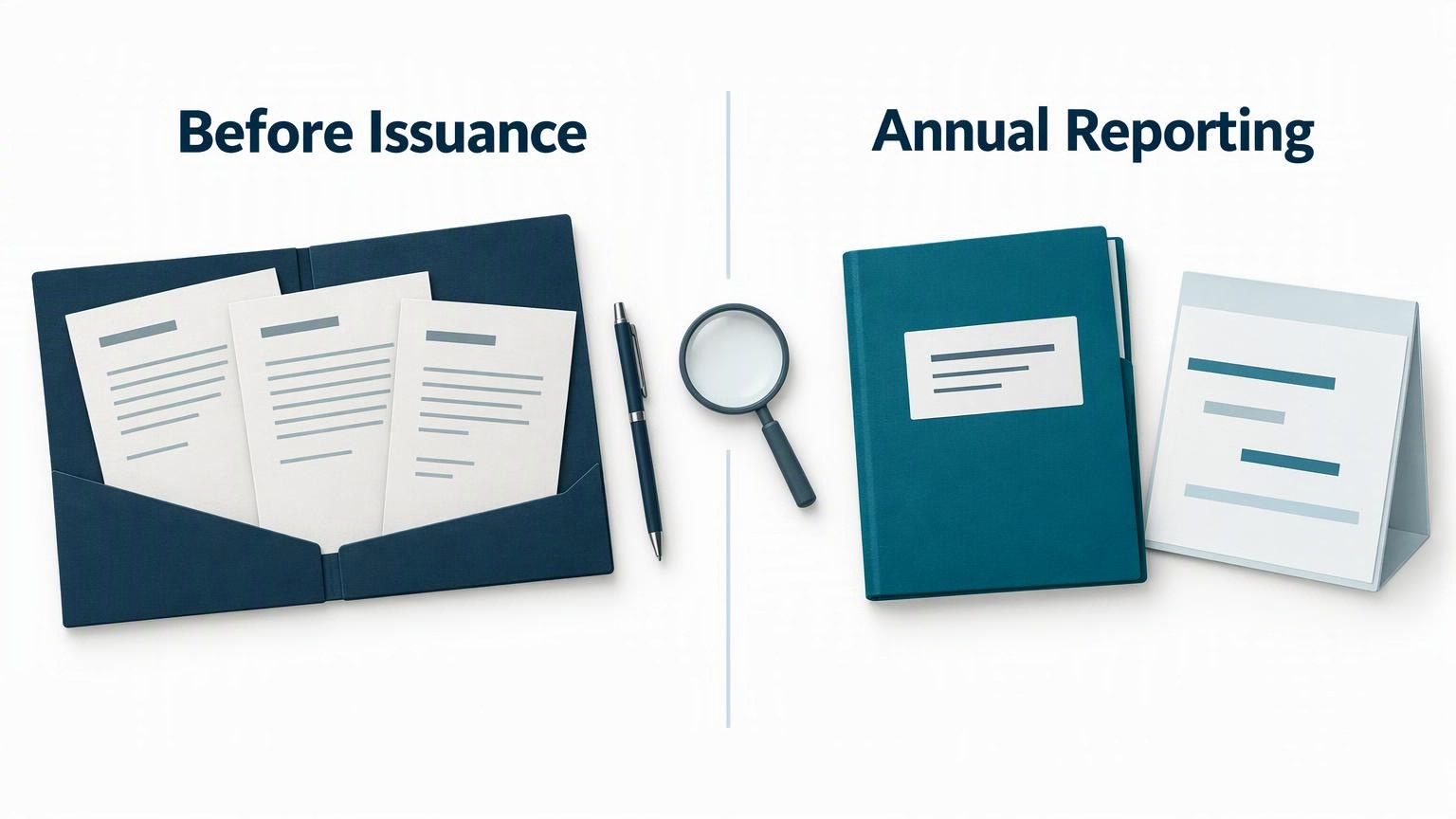
Under Section 101(j), the required pre-issuance steps include:
- Written notice of the intent to insure the employee and the maximum face amount.
- Written consent to coverage, including its possible continuation after employment ends.
- Written disclosure that an applicable policyholder will receive death proceeds.
Consent alone does not establish the full income-tax exclusion. IRS Notice 2009-48 explains that the exclusion generally is limited to premiums and other amounts paid unless an exception applies. Exceptions can depend on the insured's status or how proceeds are paid or used. Your tax adviser should identify the applicable exception, not simply label proceeds tax-free.
Applicable policyholders owning one or more employer-owned life insurance contracts issued after August 17, 2006 must file Form 8925 annually for each year those contracts are owned. Review premium deductibility separately: paying through the company does not automatically create a deduction. Likewise, income-tax treatment and estate inclusion are separate questions requiring appropriate professional review.
Work With Rene Farias
Rene Farias works with California families, professionals and business owners to compare insurance-based protection and retirement-planning strategies. He is based in Los Angeles and offers strategy sessions over Zoom.
Frequently Asked Questions
Can a Sole Proprietor Need Both Personal and Business Protection?
Yes. Household income loss and business obligations can coexist without co-owners. Evaluate personal guarantees, debts and transition costs alongside family needs. A sole proprietor's policy on their own life is not employer-owned life insurance under the IRS guidance discussed above, but other ownership and tax questions still require review.
Does Key-Person Life Insurance Cover Disability?
Not by virtue of being key-person life insurance. Its core benefit is triggered by death. A critical person's inability to work raises a separate disability-protection question. Evaluate that exposure separately, and review any proposed rider's actual trigger and limits rather than assuming a life policy covers every interruption.
Can Existing Personal Coverage Be Used for a Buy-Sell Plan?
Possibly, but do not redirect it without reassessing your family's protection. Existing ownership, beneficiaries, coverage duration and transfer consequences must fit the agreement. Reassigning a policy may create legal or tax issues. Compare the resulting household shortfall and transaction implications with arranging separate purchase funding before making a change.
Can Permanent Policy Cash Value Serve as Emergency Business Cash?
It may offer access under policy terms, but it is not equivalent to an unrestricted cash reserve. Loans carry interest and can reduce death proceeds; surrender charges may apply. A lapse or surrender can create tax consequences. Evaluate the effect on protection before relying on cash value for operating liquidity.
When Should a Business Review Its Existing Coverage?
Review it when ownership, valuation, debt, key roles or compensation arrangements change. An old death benefit may no longer match the purchase obligation, and an employee's departure may affect the intended use. Review policy performance and beneficiaries alongside the governing documents rather than treating premium payment as proof the plan remains suitable.
Build a Coverage Map for Your Family and Business
Prepare a list of existing policies and the obligations each should fund. In a Zoom strategy session, Rene Farias can help you compare insurance options and identify the ownership or funding questions to take to your attorney and tax adviser.