
Life Insurance in California: Complete Guide 2026
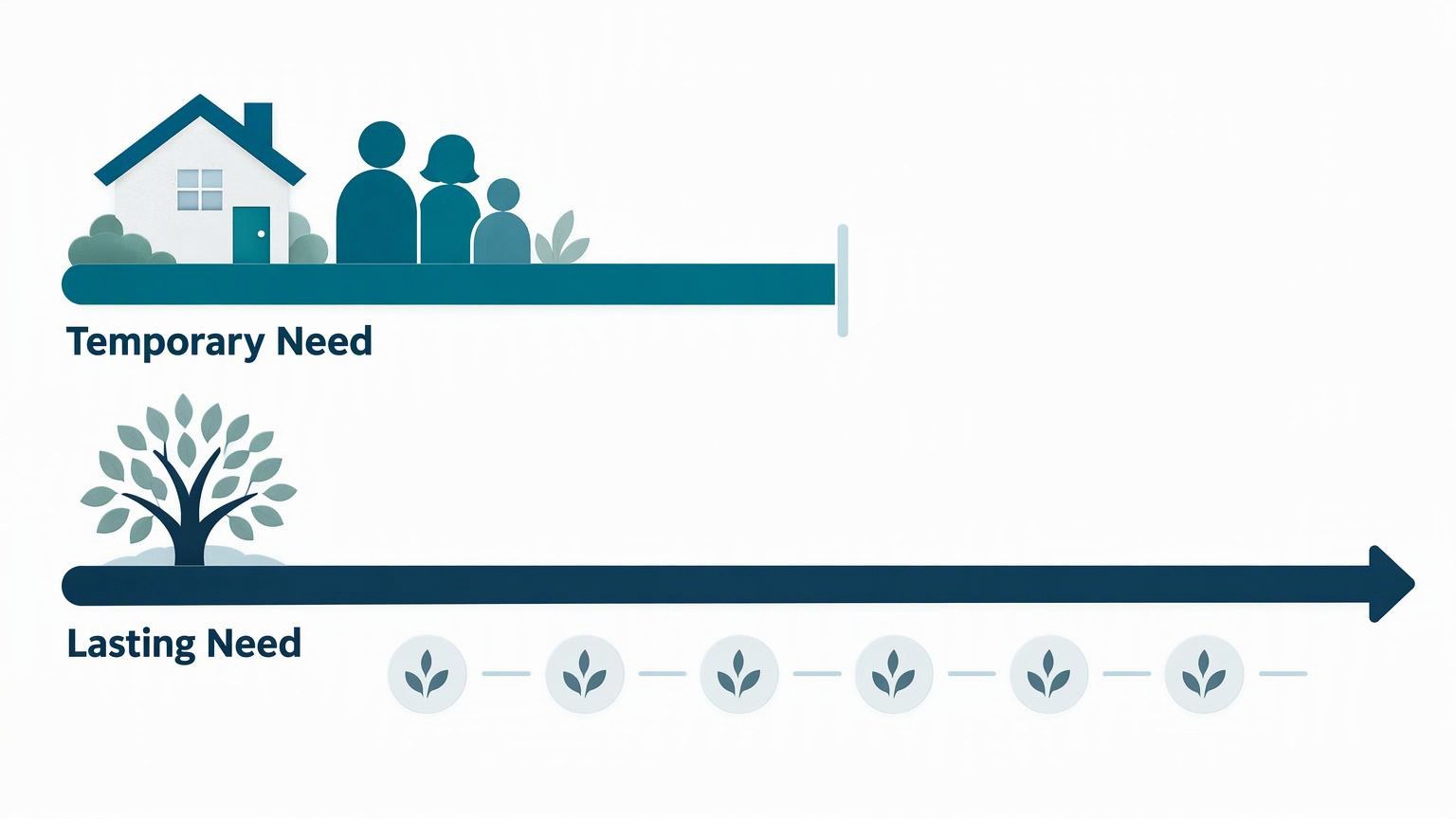
Start with term life insurance when your main need has an end date, such as income protection while children depend on you. Consider permanent insurance for a lasting need and sustainable long-term funding. When comparing life insurance companies in California, evaluate licensing, financial strength, policy guarantees and the final underwritten offer.
A family income gap, a mortgage and a business ownership obligation may call for different coverage. This guide explains how to compare those needs with policy terms, rather than choose a carrier from a headline ranking. The goal is useful protection, not the most elaborate product.
Key Considerations
- Match the coverage duration to the obligation before comparing carriers.
- Separate guaranteed benefits from illustrated values and preliminary premiums.
- Evaluate existing coverage before giving up its benefits or cash value.
Which Policy Types Fit Temporary and Permanent Needs?
Term insurance fits needs that are expected to end; permanent insurance is designed for lasting protection when its funding requirements are met. Term has no cash value. Whole life generally combines level premiums with contractual benefits and cash value, while universal life offers flexibility that requires attention to funding and policy performance.
Indexed universal life, or IUL, is permanent life insurance with index-linked crediting, not direct ownership of a stock index. Caps, participation rates and spreads depend on policy terms and may change. A crediting floor does not stop charges, loan costs or surrender charges from reducing value. The California Department of Insurance Life Insurance Guide explains the broader policy categories and sales illustrations.
Hypothetical Example: Protecting Income on a Fixed Budget
Suppose a family needs substantial protection until its children become financially independent, has a fixed premium budget and also wants a lasting legacy. If permanent coverage consumes that budget while leaving the income need underinsured, term is the stronger initial fit. A combination becomes reasonable only if the family can fund permanent coverage without sacrificing essential protection.
How Should You Compare California Insurers?
Compare the issuing insurer and the actual contract, not just the brand or advertised premium. Start with the California Department of Insurance Life & Annuity resources, which provide licensed-company lists, company profiles, license-status tools and a consumer complaint study. Licensing is a starting screen, not a best-carrier ranking.
Next, review independent financial-strength assessments of each issuing insurer. These address a different question from whether its policy fits your budget. Contractual guarantees depend on policy terms and the insurer's claims-paying ability; dividends and nonguaranteed values are not promises.
Make proposals comparable by holding the death benefit, coverage duration and relevant riders consistent. For term, compare the premium-guarantee period and renewal or conversion provisions. For permanent coverage, distinguish guaranteed benefits from illustrated results, and examine the funding assumptions behind each.
A proposal with more optimistic nonguaranteed values is not automatically better. If your priority is dependable protection, the contract's conditions for maintaining that protection matter more than its highest illustrated cash value.
| Approach | Suitable Need | Main Trade-Off |
|---|---|---|
| Term life | Income or debt protection for a defined period | No cash value; assess what happens when the term ends |
| Whole life | Lasting protection with a structured premium commitment | Budget for long-term funding; dividends are not guaranteed |
| Universal life, including IUL | Permanent protection with policy-specific flexibility | Monitor funding, charges and nonguaranteed assumptions |
| Term plus permanent coverage | A larger temporary need and a smaller lasting need | Both policies must fit the sustainable budget |
How Do Underwriting and Costs Change the Offer?
A preliminary premium estimate is not the final insurance offer. Underwriting is the insurer's assessment of the application; its decision determines whether coverage is offered and on what terms. Compare final offers rather than assume every initial estimate will remain available.
The useful sequence is to select a coverage target, compare preliminary proposals, complete the insurer's required underwriting and then review the offer against your budget. If the terms differ from the estimate, reconsider coverage amount, duration or policy design before accepting.
For permanent insurance, the premium you pay and the cost of maintaining coverage are related but not identical. Policy charges reduce value, and flexible premiums do not mean you can fund the contract indefinitely at any amount. Distinguish accumulated cash value from the amount available after applicable surrender charges.
Affordability means being able to maintain protection, not merely make the first payment. Review guaranteed and nonguaranteed illustrations separately. If a proposal works only under favorable assumptions or funding you cannot sustain, a simpler design may better serve the need.
Compare Coverage Against Your Sustainable Budget
Discuss the coverage amount, duration and policy funding you need with Rene Farias over Zoom.
Why Review a Policy Replacement Carefully?
Replacing a policy can exchange existing benefits and accumulated value for new costs and conditions. A lower proposed premium alone does not establish that the replacement is better. Compare keeping the current policy, modifying it where permitted and replacing it.
Obtain current policy values and an updated illustration where applicable. Compare the existing and proposed death benefits, guarantees, future premiums, surrender values, outstanding loans and rider provisions. Moving cash value into a new contract is not costless simply because it avoids a separate payment from your bank account.
The California Department of Insurance guide describes replacement requirements, including leaving presentation materials with the applicant and identifying whether replacement is involved. It also describes restrictions on materially inaccurate comparisons.
Do not cancel existing coverage based solely on an application or estimate. First establish the new policy's acceptance, effective coverage and applicable conditions. If surrender or outstanding debt could create tax consequences, have a tax adviser review that step before proceeding.

How Can an Independent Insurance Discussion Help?
An independent discussion helps translate your needs into comparable insurance options. Rene Farias works with multiple carriers and helps California families, professionals and business owners evaluate coverage needs, financial goals and budget. He is based in Los Angeles and holds strategy sessions over Zoom.
Begin by defining what the death benefit must accomplish, then identify the coverage gap after existing policies and resources. Separate temporary obligations from lasting ones before reviewing proposals. Rene's California life insurance guidance is relevant to that protection decision.
Prepare these items for the discussion:
- The obligations and people you want to protect.
- Existing coverage, including employer-provided insurance.
- A premium budget you can sustain.
- Current policy statements and illustrations, if reviewing coverage.
For business owners, business succession insurance may address funding needs, but an attorney must handle the legal agreement and a tax adviser should evaluate tax treatment. An insurance discussion does not replace legal advice, tax advice or qualified-plan administration.
Work With Rene Farias
Rene Farias works with California families, professionals and business owners to compare insurance-based protection and retirement-planning strategies. He is based in Los Angeles and offers strategy sessions over Zoom.
Frequently Asked Questions
What Happens to Employer Life Insurance When I Leave My Job?
Do not assume workplace coverage continues unchanged. California's insurance guide states that group life coverage must be convertible to permanent insurance at the insured's option when group coverage terminates. Converted coverage will probably cost more. Review your plan's conversion procedure and deadlines before employment ends.
Are Life Insurance Death Benefits Taxable?
The IRS states that death proceeds received by a beneficiary are generally excluded from gross income, but interest received is taxable. Transfers for valuable consideration can limit the exclusion, subject to exceptions. Income-tax treatment and estate inclusion are separate questions, so ownership planning deserves professional review.
Is a Living-Benefit Rider the Same as Long-Term Care Insurance?
No. Accelerated living-benefit riders and long-term care insurance are distinct. Do not assume a rider provides comprehensive extended-care protection. Compare its qualifying conditions, benefit limits and effect on the remaining death benefit, then assess whether separate care coverage is needed for the risk you want to address.
Is a TFRA a Separate Retirement Account?
No. TFRA is a marketing term for a permanent-life-insurance strategy, not a separate IRS-qualified retirement account or bank account. Evaluate the underlying insurance contract and its funding requirements. Do not assume account-like withdrawal rights or guaranteed tax-free income simply because a proposal uses that label.
Can I Borrow Cash Value Without Affecting My Protection?
Do not assume borrowing leaves protection unchanged. Policy loans accrue interest and can reduce policy values or death benefits and increase lapse risk. Loans, withdrawals and surrender are different transactions with different consequences. Review the contract and obtain tax advice before treating cash value as spendable retirement income.
Define the Protection Your Policy Must Deliver
Bring your coverage priorities and any existing policy information to a Zoom strategy session with Rene Farias. Focus the discussion on closing your protection gap with terms and funding that fit your long-term budget.